Avatar Fire and Ash – Handlung, Besetzung und Kinostart
Avatar Fire and Ash: A Cinematic Exploration
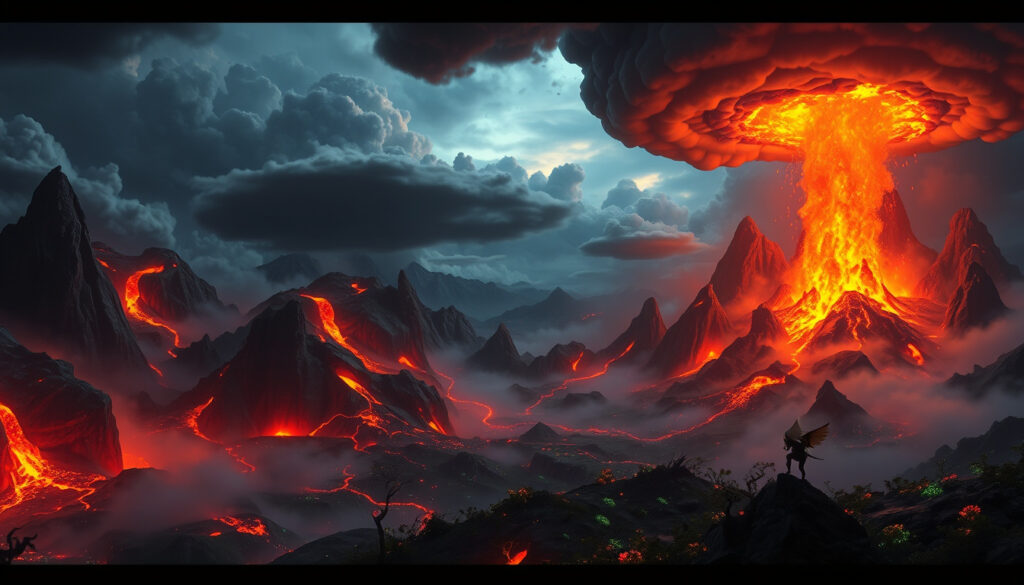
The imagery of fire and ash permeates the visual language of James Cameron’s Avatar universe, serving as powerful symbolic elements that reflect themes of destruction, transformation, and renewal. From the initial footage of Pandora’s bioluminescent landscape to the volcanic terrain of its moon, these elemental forces play crucial roles in shaping the narrative and emotional resonance of the films.
The Elements in Pandora’s Ecosystem
Pandora’s environment presents a fascinating interplay between natural forces that would seem hostile to human visitors yet remain integral to the moon’s delicate balance. The Way of Water introduces audiences to the Metkayina clan, whose reef-based existence contrasts sharply with the forest-dwelling Na’vi, yet both communities demonstrate remarkable adaptability to their surroundings. The volcanic regions, while less prominently featured than the lush canopy, represent areas where the planet’s raw power manifests most visibly.
The film’s visual effects team faced significant challenges in rendering realistic fire and ash sequences. Industrial Light & Magic developed new rendering techniques to capture the way flames dance and consume organic matter while maintaining the otherworldly aesthetic that defines Pandora’s distinctiveness. This technical achievement allows viewers to experience these destructive forces without feeling disconnected from the fictional world.
Symbolic Significance of Ash
Ash appears throughout the Avatar films as a reminder of mortality and impermanence. In battle sequences, the floating embers serve as visual markers of conflict’s aftermath, settling across the landscape like a grim snowfall. The Na’vi tradition of returning to the earth after death connects to this imagery, as their bodies naturally decompose and contribute to the very soil that sustains future generations.
The RDA corporation’s mining operations generate industrial ash and particulate matter, representing a stark contrast to the natural cycles observed in Pandora’s ecosystems. This juxtaposition reinforces the film’s environmental themes while illustrating how human intervention disrupts natural balances.
Fire as Narrative Catalyst
Throughout the Avatar series, fire serves as a turning point in character development and plot progression. The destruction of the Hometree in the original film remains one of cinema’s most impactful environmental statements, with the resulting ash cloud symbolizing both loss and the spark of resistance it ignites among the Na’vi people.
| Film | Key Fire Sequence | Narrative Impact |
|---|---|---|
| Avatar (2009) | Hometree Destruction | Launches resistance movement |
| The Way of Water (2022) | Fisher’s Final Stand | Redemption arc completion |
Visual Storytelling Techniques
Cameron’s directorial approach emphasizes the sensory experience of fire and ash. Advanced high-dynamic-range cameras capture the subtle gradations of light given off by flames, while particle simulation software creates ash effects that behave according to natural airflow patterns. This attention to physical accuracy grounds even the most fantastical imagery in recognizable reality.
The color palette shifts noticeably when fire and ash enter a scene. Warm oranges and reds replace the cool blues predominant in Pandora’s nighttime sequences, providing viewers with immediate visual cues about the tonal shift occurring in the narrative.
Technological Innovation Behind the Flames
The production team invested heavily in developing proprietary simulation technologies for both Avatar films. Real-time rendering capabilities allowed directors and cinematographers to preview fire effects during shooting rather than waiting for post-production, fundamentally changing how action sequences are choreographed and filmed.
Water simulation received equal attention given the sequel’s oceanic focus, yet fire sequences required distinct approaches. The team studied actual wildfires and controlled burns to inform their digital recreations, ensuring that ash drift patterns and flame propagation followed physically plausible trajectories.
The Emotional Weight of Destruction
What distinguishes the Avatar films from typical action spectacles is their treatment of destruction as emotionally weighted rather than purely visual entertainment. Fire sequences carry genuine narrative consequence, affecting characters viewers have grown to care about over hours of character development.
“The fire doesn’t just destroy—it transforms. Every flame carries the potential for both ending and beginning.”
This philosophical undercurrent elevates the technical achievements beyond mere visual spectacle. The ash that falls across Pandora’s landscape settles into the collective memory of audiences who witnessed the original film’s devastation and returned for the sequel years later.
Environmental Metaphor Reconsidered
While critics often reduce the Avatar films to environmental allegory, the imagery of fire and ash suggests more nuanced themes. Indigenous cultures worldwide incorporate these elements into spiritual practices involving controlled burning and ritual purification. The Na’vi relationship with fire likely exists within such frameworks rather than pure fear of human-caused wildfire.
Looking Forward
Future Avatar sequels promise to explore Pandora’s diverse environments further, with volcanic and geothermal regions suggested as potential settings. These unexplored territories offer opportunities to deepen the symbolic vocabulary established in the first two films while continuing to push technological boundaries in cinematic visualization.
The enduring power of fire and ash imagery lies in its universal recognition. Regardless of cultural background, audiences understand these elements instinctively, making them ideal vehicles for storytelling that transcends language barriers and reaches global audiences.
Summary
The representation of fire and ash in the Avatar films represents a masterful blend of technical innovation and thematic depth. Through careful attention to physical accuracy and emotional resonance, James Cameron and his team have created imagery that resonates long after credits roll. These elemental forces do more than provide visual spectacle—they carry the weight of the narrative’s most significant moments and reinforce the interconnected relationship between destruction and renewal that defines the Avatar universe.
Frequently Asked Questions
What filming techniques create the fire effects in Avatar films?
The Avatar films utilize a combination of practical fire effects on set combined with extensive digital enhancement. Advanced particle simulation software creates realistic ash and ember behavior, while high-dynamic-range cameras capture the full spectrum of flame lighting.
How does fire symbolism differ between the two Avatar films?
The original Avatar uses fire primarily as a destructive force associated with human invasion. The Way of Water expands this symbolism to include themes of purification and transformation, with fire representing the forging of new alliances and personal sacrifice.
Are the volcanic regions of Pandora based on real locations?
While Pandora is entirely fictional, the visual designers drew inspiration from real volcanic landscapes including Iceland, Hawaii, and Yellowstone. These references inform the texture and behavior of fire and ash sequences.
Weitere verwandte Artikel
 Alexander Duda privat: Alter, Ehefrau und Rosenheim-Cops
 Kalogeras Sisters: Alter, Nationalität und Vermögen
 Lee Min Ho: Beziehungsstatus, Dramen & aktuelle Infos
 Chevy Chase: Krankheit, Rollstuhl und Streit mit Bill Murray
 Teilnehmer FC Kopenhagen Tabelle – Aktuelle Positionen 2024/25
 Katrin Müller-Hohenstein: Privates und Karriere
 John Cusack: Karriere, Privatleben und aktuelle Projekte 2025
 Vicky Krieps: Filme, Privatleben & Karriere